
5 Genius Ways to Use Leftover Pickle Juice
lakshay verma 1 month ago 1Discover why leftover pickle juice is the ultimate kitchen hack. From tenderizing pork to curing muscle cramps and even cleaning copper, here are 5 genius ways to use every last drop of that green brine.
Why You Should Never Throw Away Leftover Pickle Juice
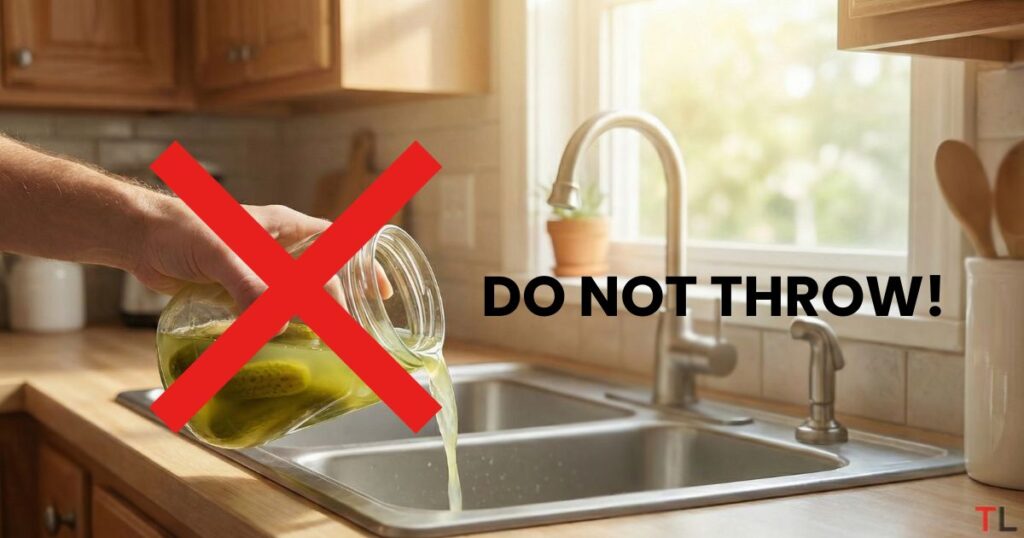
Picture this: You’ve just fished the last crunchy spear out of the jar. You’re standing over the kitchen sink, lid in one hand, glass jar in the other, ready to pour that cloudy green liquid down the drain without a second thought. Stop right there! You are about to throw away one of the most underrated, versatile ingredients in your pantry.
Let’s be honest, we’ve all been conditioned to view pickle juice as nothing more than “packaging“—the wet bubble wrap that keeps our cucumbers safe until we eat them. But the truth is, that brine is actually “liquid gold” that you’ve already paid for. Think about what it really is: a perfectly aged mixture of vinegar, high-quality salt, garlic, dill, and spices that has been marinating and developing complex flavors for weeks.
By pouring it out, you aren’t just clearing clutter; you’re flushing away a pre-made marinade, a zero-calorie flavor enhancer, and a potent electrolyte drink all in one. Professional chefs often hoard this stuff to brighten up heavy sauces or tenderize tough cuts of meat, yet most home cooks treat it like trash. The truth about pickle juice is that it’s the ultimate kitchen hack sitting right under your nose. So, before you rinse that jar for the recycling bin, screw the lid back on. You’re about to discover why that green brine is just as valuable as the pickles themselves.
Why Pickle Juice is more useful than you think

It’s easy to dismiss that jar of brine as just “salty water,” but in reality, pickle juice is a culinary Swiss Army knife hiding in plain sight. If you strip it down to its chemistry, you’re looking at the holy trinity of good cooking: acid, salt, and aromatics. While you usually have to measure and mix these elements separately to get a dish right, pickle juice offers them to you in a perfectly pre-balanced, aged solution.
The reason it is so surprisingly useful comes down to its ability to multitask. It isn’t just a flavor additive; it’s a functional tool that changes the chemical structure of your food and even your body. Here is why it deserves a permanent spot on your refrigerator shelf:
- The Ultimate Meat Tenderizer: Because it is highly acidic, pickle juice acts as a marinade that breaks down tough muscle fibers in meat. This means your chicken or pork chops don’t just taste better; they actually become juicier and softer.
- Nature’s Sports Drink: It sounds strange, but that sodium-rich brine is an electrolyte bomb. Many runners and athletes swear by a quick shot of pickle juice to stop muscle cramps instantly—often faster than water or sugary sports drinks can.
- The “Lazy” Flavor Hack: Have a bland potato salad or a boring soup? A splash of brine adds complex depth (dill, garlic, mustard seed) without you needing to chop a single vegetable.
Essentially, it bridges the gap between “bland” and “brilliant” with zero effort. It’s the lazy cook’s secret weapon.
5 Genius Recipes to Use Leftover Pickle Juice
Let’s put that hazy green liquid to use now that we know it’s a taste powerhouse. These recipes are all about substituting ordinary ingredients (such plain water or vinegar) with something far more potent, so you don’t need to be an expert cook to pull them off. Here are five tasty and useful ways to empty that jar.
Pickle Juice Brined Pork
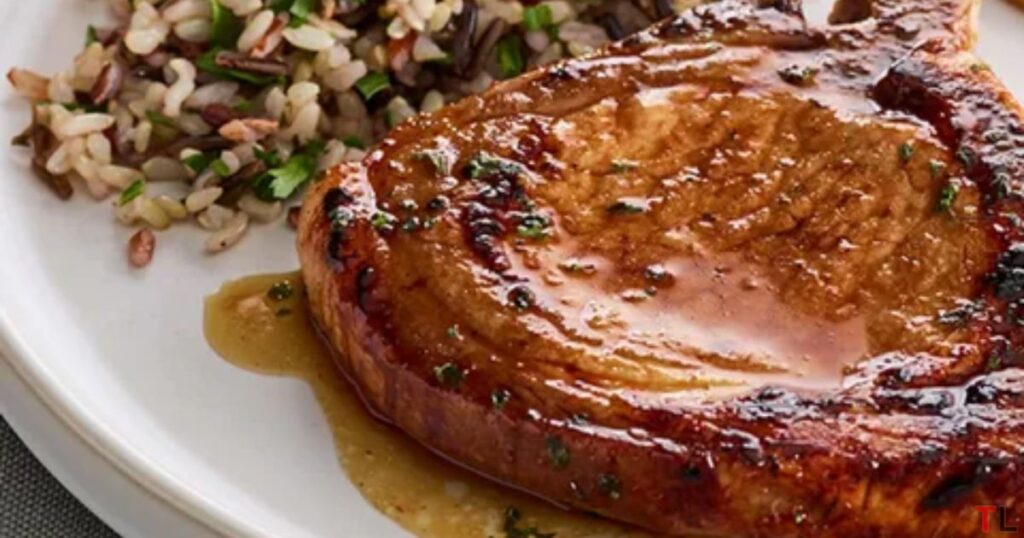
If you’ve ever endured a chewy, dry pork chop, this dish will be a revelation. Pickle juice serves as the ideal insurance policy since pork is a naturally lean meat that dries up rapidly. While the sugar, which is frequently included in the brine, aids in achieving that lovely golden sear in the pan, the salt in the brine breaks down the protein structures to tenderize the meat.
How to do it: Put your pork loins or chops in a shallow dish or a ziplock bag. Add enough leftover pickle juice to the meat until it is well submerged.
The Timing: Refrigerate for a minimum of two hours and a maximum of eight hours. The meat will get mushy due to the acid if you leave it too long.
Cooking: Take out the pork, use paper towels to pat it dry fully (this is essential for a good sear), and cook it as usual, either pan-fried or grilled. The meat probably won’t even need to be salted before cooking!
Potato Salad
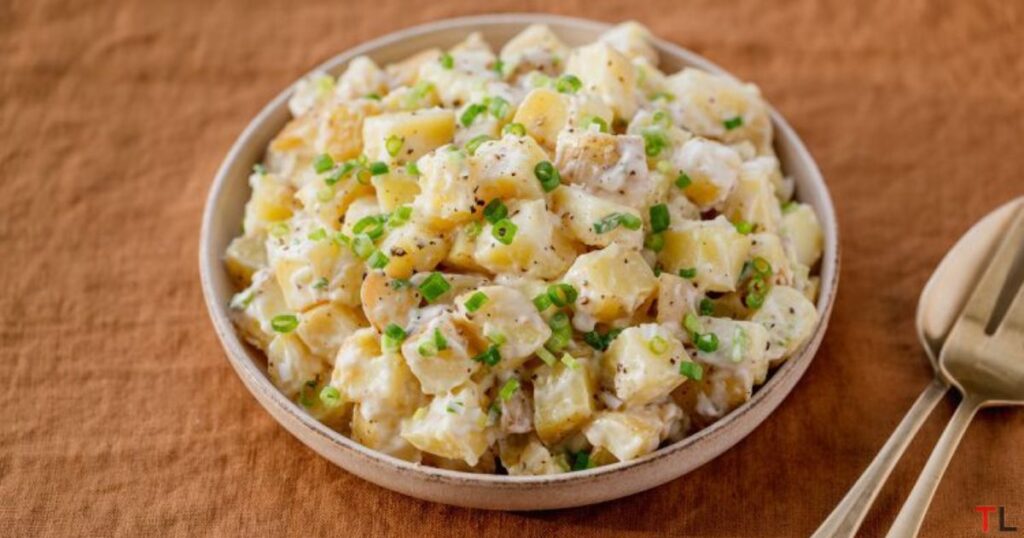
Have you ever wondered why homemade potato salad doesn’t always taste as good as it does in restaurants? Acid is often the missing component. Similar to sponges, potatoes quickly absorb flavor when heated. In cold weather, they “seal up.” When the potatoes are cold, most people mix everything together, which results in a dull meal covered with mayo.
The Secret Step: Simply boil your potatoes until they are fork-tender. After draining, drizzle them with roughly 1/4 cup leftover pickle juice while they’re still hot. Let them sit for ten minutes after giving them a little toss.
The Result: The potatoes will drink up that vinegary, garlicky goodness all the way to the center. Once they cool down, proceed with your usual mayonnaise, mustard, and celery mix. It adds a “zing” that cuts through the heaviness of the mayo.
Dill Pickle Dip
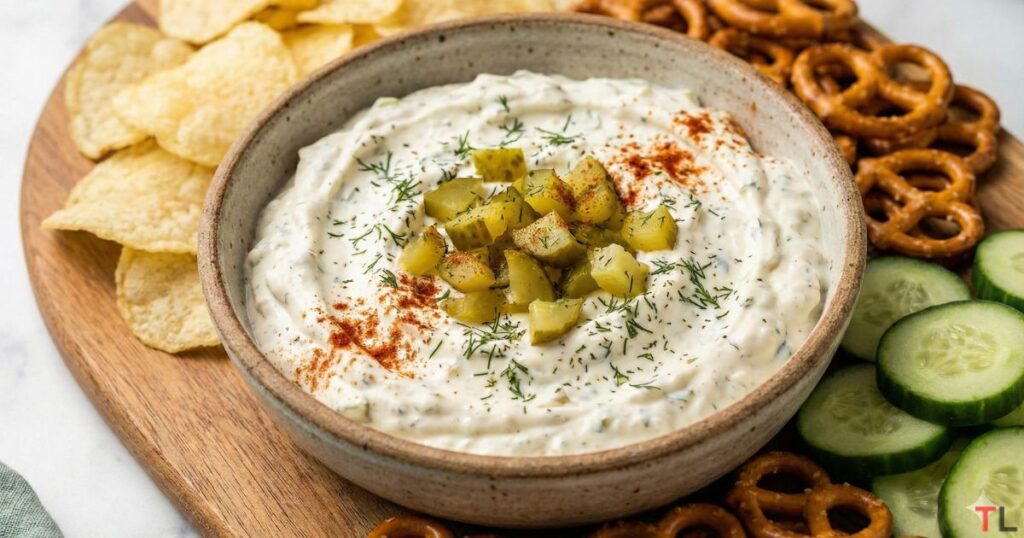
You can use what’s already in your refrigerator to produce a stronger, fresher dip instead of relying on powdered ranch packets. This goes well with fresh vegetables or firm potato chips and is the ideal “emergency appetizer” for unexpected guests.
The Base: Soften an 8-ounce block of cream cheese and combine it with half a cup of sour cream (or, for a healthy option, Greek yogurt).
The Flavor: Add 3–4 teaspoons of Leftover pickle juice and stir slowly. This gives the dip flavor and thins it to a scoopable consistency.
The Texture: Add some fresh dill and garlic powder, then finely chop any pickles that are still in the container and fold them in. To let the flavors to mingle, chill it for an hour before serving. It’s acidic, creamy, and quite addicting.
Dill Pickle Hummus

Traditional hummus relies heavily on lemon juice for that bright, acidic kick. However, swapping lemon for pickle juice creates a “Dill Pickle Hummus” that is savory, briny, and distinctively different. It’s a great way to use up a large amount of brine at once.
How to do it: In your food processor, combine your drained chickpeas, tahini, garlic, and olive oil.
The Swap: Instead of squeezing lemons, pour in about 3 tablespoons of leftover pickle juice. Blitz it until smooth.
Adjustment: If the hummus is too thick, keep adding pickle juice one tablespoon at a time until it reaches your desired creaminess. Top with a drizzle of olive oil and a sprinkle of dried dill.
Full Recipe: https://thenessykitchen.com/dill-pickle-hummus/
Pickle Juice Deviled Eggs

Deviled eggs are a traditional comfort dish, but if you only use mayonnaise, they may quickly become monotonous and heavy. The creamy yolk combination is brightened by the addition of pickle juice, which also imparts a nuanced saltiness that ordinary salt just cannot match.
The procedure is to hard boil your eggs, cut them in half, and take out the yolks. Use your fork to smash the yolks.
The Mix: Add a small amount of mustard and your mayonnaise. Next, add one or two tablespoons of pickle juice to each egg, adjusting to taste.
Why it works: The acidity cuts through the fat of the egg yolk, making the filling lighter and fluffier. For the finishing touch, garnish with a tiny slice of pickle on top instead of the usual paprika for a crunch that tells people exactly what the secret ingredient is.
Other Uses of Leftover Pickle Juice
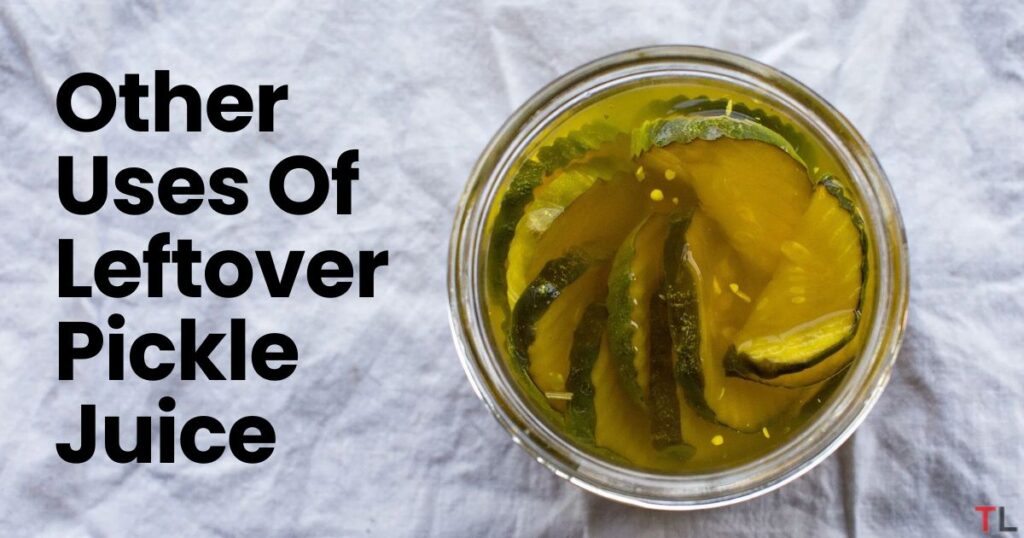
You still have half a jar of brine after marinating your meat and making the dip. Don’t worry. Pickle juice is useful for much more than just enhancing the flavor of meals. It functions as an effective cleaning, health, and even mixology tool because it is essentially a strong vinegar and salt combo. Here are several ideas for using the green liquid outside of the skillet.
- The Cocktail Mixer and “Pickleback”
You may already be familiar with this one if you occasionally want a drink. The “Pickleback” is a common bar order in which a shot of pickle juice is served right after a drink of whiskey. Although it sounds harsh, the alcohol burn is immediately counteracted by the brine.
The Upgrade to Bloody Mary: Add a little leftover pickle juice to your next Bloody Mary instead of using basic Tabasco or olive brine. It gives the dish a richness of taste that celery sticks by themselves cannot match.
- The Muscle Savior After a Workout
Football players and marathon runners are familiar with this tactic. Pickle juice is well known for its ability to stop muscular cramps in their tracks, frequently more quickly than commercial sports drinks or water.
Why it functions Research indicates that the harsh taste of vinegar causes a reaction in the back of your throat that instructs your neurological system to halt the cramping muscles from firing, so it’s not simply the electrolytes (though the sodium helps). After a strenuous workout, a fast swig might literally save your life.
- Cleaning Pots and Pans Made of Copper
Avoid purchasing pricey chemical polish if your copper cookware has corroded and lost its sheen. Tarnish is very instantaneously dissolved by a chemical interaction between the salt in the brine and the acetic acid in the vinegar.
How to do it: Scrub your copper saucepan with a sponge dipped in pickle juice. It will appear fresh new if you rinse it with warm water. Additionally, you may use it to clean down a BBQ grill’s grates to remove grease and add a small amount of flavor for your next picnic. - The Hangover Assistant
The primary causes of that headache in the morning are electrolyte loss and dehydration. Because pickle juice is high in potassium and sodium, drinking a small glass can help you refill your levels more quickly than drinking plain water, allowing you to recover a bit more quickly.
What Not to Use Pickle Juice for
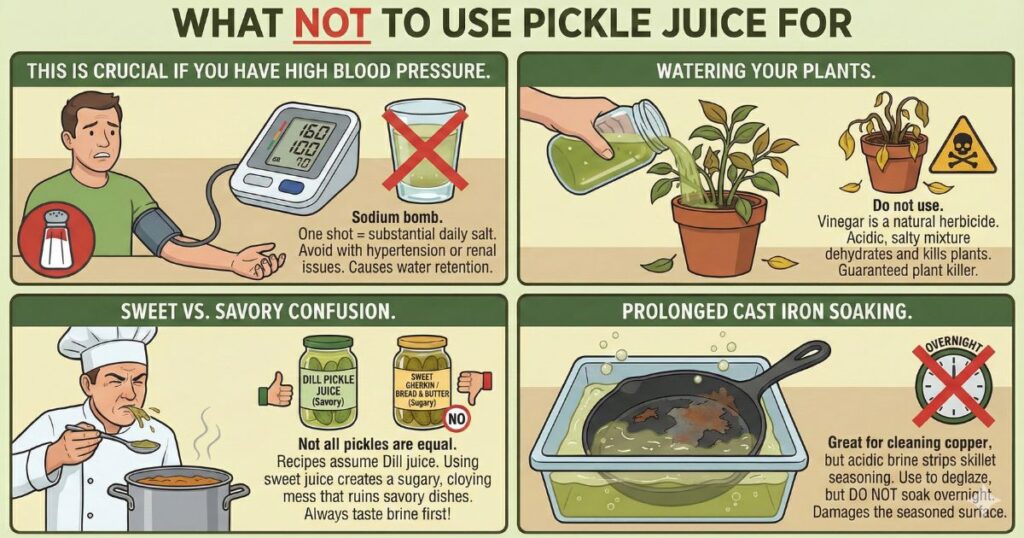
Even while we adore this green mixture, it isn’t a panacea for every circumstance. In fact, utilizing pickle juice carelessly might result in some salty calamities due to its potency—it’s full of acid and sodium. Here are certain particular situations when you should maintain the lid tight before you start pouring it over everything.
- This is crucial if you have high blood pressure. In essence, pickle juice is a sodium bomb. A substantial portion of your daily recommended salt consumption may be found in just one little shot. Leftover pickle juice should not be used as a health beverage if you are monitoring your blood pressure or have renal issues. It can swiftly raise your levels and induce water retention.
- Watering Your Plants: You might have read that “leftover kitchen water” is good for the garden (like pasta water), but do not do this with pickle juice. Vinegar is a natural herbicide—it kills plants. Pouring this acidic, salty mixture into your potted plants or garden bed is a guaranteed way to dehydrate and kill them.
- Sweet vs. Savory Confusion: Not all pickles are created equal. If a recipe calls for pickle juice (like the pork brine or hummus mentioned earlier), it assumes you are using Dill pickle juice. If you accidentally use “Bread and Butter” or “Sweet Gherkin” juice, you will end up with a sugary, cloying mess that ruins the dish. Always taste the brine first!
- Prolonged Cast Iron Soaking: While it’s great for cleaning copper, leaving acidic brine sitting in a cast iron skillet for too long can strip away the seasoning you’ve worked hard to build up. Use it to deglaze a pan, sure, but don’t let it soak overnight.
Final Take: Stop Throwing Flavor in the Sink
The next time you spear that final pickle and hear the fork clink against the bottom of the jar, fight the muscle memory to walk straight to the sink. We are often guilty of buying expensive marinades, fancy sea salts, and electrolyte drinks, all while pouring a free, perfectly good alternative right down the drain.
Keeping that jar of brine isn’t just about being frugal; it’s about being a smarter cook. Whether you use it to tenderize a Sunday roast, add a secret “zing” to your potato salad, or just scrub a dirty copper pan, you are getting a second life out of a product you’ve already paid for.
So, screw the lid back on and slide that jar to the back of the fridge. At the very least, try the Pickle Juice Brined Pork just once. I promise, after one bite of that juicy, tender meat, you’ll never look at that cloudy green liquid as “trash” ever again.



1 thought on “5 Genius Ways to Use Leftover Pickle Juice”