The Dangerous Link Between Pica cravings and Iron Deficiency.
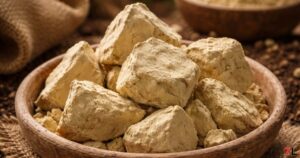
lakshay verma 3 weeks ago 0Do you also feel like craving for Multani Mitti sometimes then it might be because of Pica cravings Here’s a complete guide about Multani Mitti and why you should not eat it.
The Health Risks of Consuming Multani Mitti
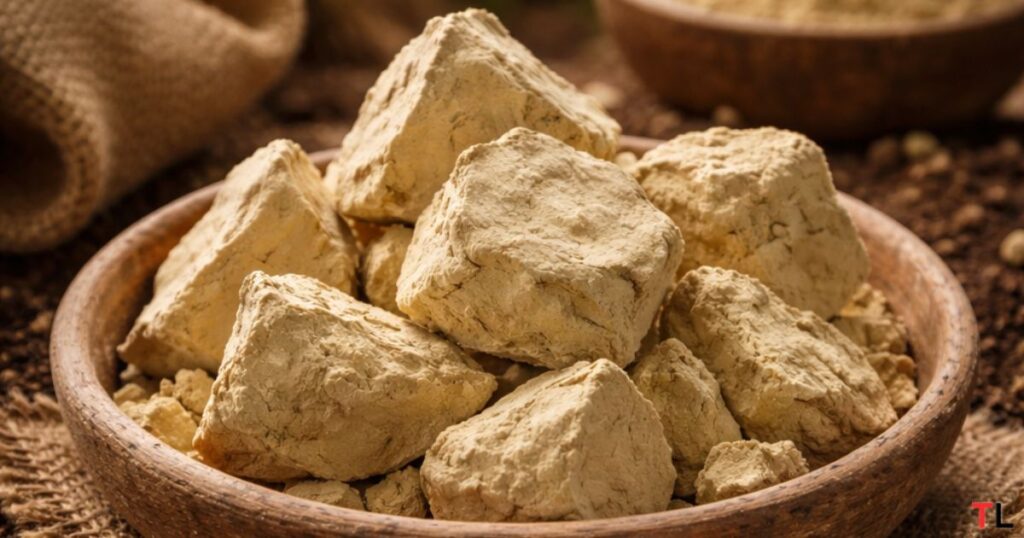
For centuries, Multani Mitti, also known as Fuller’s Earth, has been a staple in South Asian households. It is known for its ability to suck oil out of pores, clear up acne, and give the skin a cooling glow. However A strange and dangerous trend has emerged in recent years: people are consuming it rather than using it as a face pack.
Multani Mitti consumption is more common than you might think, whether it is a rooted habit or an irresistible craving triggered by rain on dry ground. Modern research contradicts what we were taught about the ‘miracle’ detoxifying powers of natural clays. In fact, I was shocked to learn that my mom’s smoothie-boosting detox could actually cause severe digestive problems. This is a wake-up call that ‘natural’ does not always mean ‘edible’
Common Side Effects of Consuming Fuller’s Earth
Let’s see what the severe health risks are if you consume it:
- Digestive Blockage and Intestinal Obstruction
Multani Mitti is an adsorbent clay, meaning it is designed to soak up oils and liquids. When it enters the human digestive tract, it does not dissolve. Instead It can clump together in the stomach or intestines, leading to severe constipation. Heavy Metal Toxicity
Multani Mitti is a natural earth product mined from the ground. It often contains trace amounts of heavy metals that are safe for your skin but toxic for your internal organs it can cause neurological damage, especially in children. organ failure or chronic poisoning over time.
Nutrient Malabsorption
Ironically, many people crave Multani Mitti because they have an Iron or Zinc deficiency. However, eating the clay makes the problem even worse It prevents your body from absorbing essential vitamins and minerals from the healthy food you eat, potentially leading to severe Anemia.
Risk of Parasites and Infections
Since raw Multani Mitti is often handled in industrial or open-air environments before being packaged for “cosmetic use,” it can carry Bacteria that can cause severe food poisoning, diarrhea, and vomiting.
Using Multani Mitti to Lighten Dark Circles
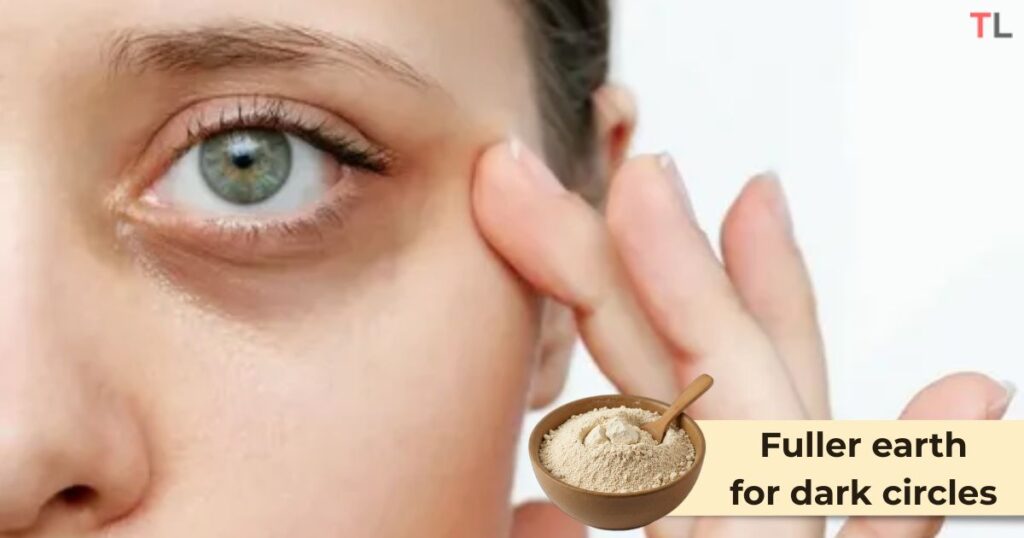
Multani Mitti is highly effective for dark circles because it improves blood circulation and has natural cooling properties that reduce puffiness. However, since the skin under the eyes is very thin and delicate, you have to use it differently than you would for an oily face mask.
How Multani Mitti Works for Dark Circles
- Cooling Effect: It constricts tiny blood vessels under the eyes, reducing that “blue/purple” look.
- Skin Tightening: It gently firms the area, making the skin look less tired.
- Exfoliation: It eliminates dead skin cells that can give the area behind the eyes a lifeless, gloomy appearance.
Multani mitti side effects during Pregnancy?
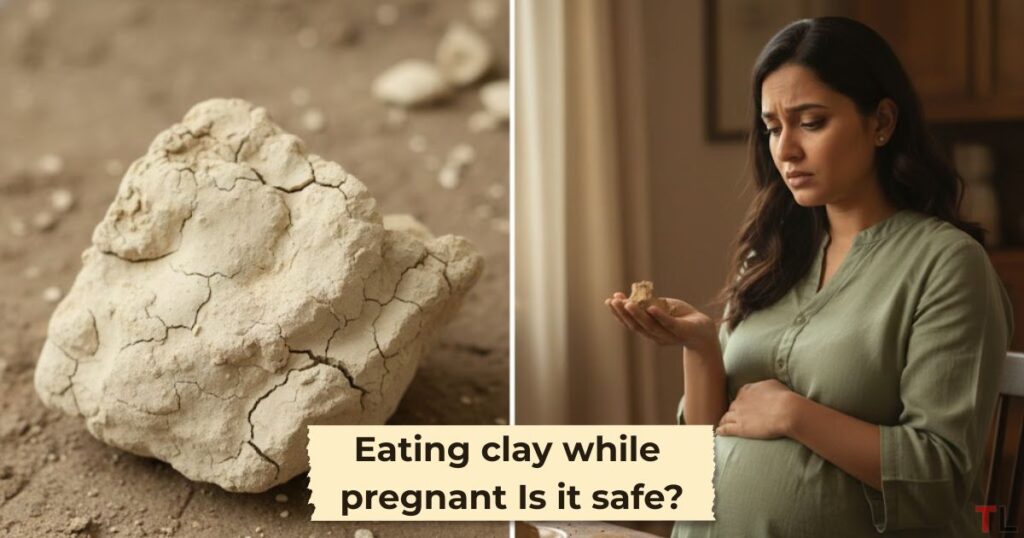
While ingesting Multani Mitti poses a significant health risk, applying it to your face or hair is generally regarded as safe during pregnancy. Due to hormonal fluctuations or vitamin inadequacies, “Pica”—a desire for non-food objects like clay—occurs often in pregnant women.
Here is why you should avoid ingesting it:
- Severe Nutrient Depletion
Ingesting clay can interfere with the absorption of essential prenatal vitamins. The clay binds to minerals like Iron and Zinc in your digestive tract, preventing them from reaching your bloodstream. This can lead to Increasing the risk of fatigue and complications during delivery or baby may not receive the vital nutrients needed for healthy development. - Risk of Heavy Metal Exposure
Natural clays like Fuller earth are extracted from the earth and can contain trace amounts of Lead, Arsenic, and Mercury. - Electrolyte Imbalance (Hypokalemia)
Low potassium levels, or hypokalemia, can caused from consuming clay. Your body already puts a lot of effort into keeping electrolytes and fluids in balance throughout pregnancy. - Intestinal Blockage
Constipation results from pregnancy-related hormonal changes that slow down digestion. When Multani Mitti is added, it can physically obstruct the intestines, causing terrible pain and medical issues since it hardens as it absorbs liquid.
Can Multani Mitti be used for dry or sensitive skin
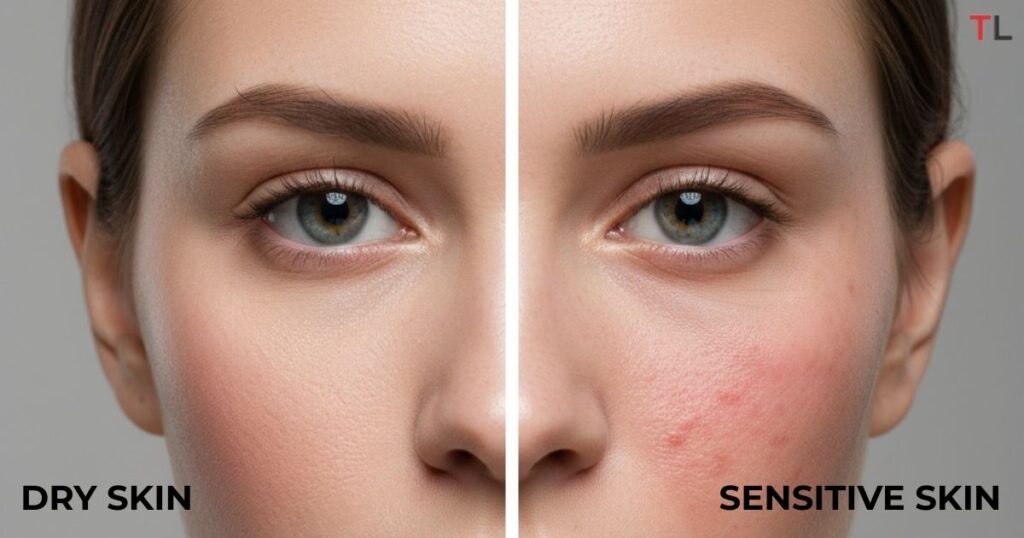
Multani Mitti is famous for being a “super-absorbent” clay. This makes it a wonder for oily skin, but if applied improperly, it may be a nightmare for dry or sensitive skin types. It can cause redness, irritation, and even flaky spots by removing the natural sebum that dry skin requires to keep healthy since it is so effective at removing oils.
You don’t have to completely ignore the advantages of this clay, either. Simply alter your “Mixer” approach if you have sensitive or dry skin.
- The “Golden Rule” for Dry Skin
Multani Mitti should never be combined with lemon juice or water alone. Your skin will be further stripped by them. Rather, you have to use moisturizers that form a barrier of defense. - Don’t Let it “Crack”
The biggest mistake people make is waiting until the mask is bone-dry and cracking before washing it off.
- The Danger: When the clay cracks, it starts drawing moisture from the deeper layers of your skin.
- The Solution: For dry or sensitive skin, wash the mask off while it is still slightly damp (usually after 5–7 minutes). You want the minerals to absorb, but you don’t want the clay to “shrink” on your face.
Sensitive skin can react to the high mineral content of Fuller’s Earth. Before applying it to your entire face
- Apply a small amount behind your ear or on your inner jawline.
- Wait 10 minutes.
- If you feel a burning sensation (beyond a mild tingle) or see immediate redness, your skin might be too compromised for clay-based treatments.
Why Do People Crave Eating Clay?
Pica is the medical word for the desire to consume non-food things such as charcoal, chalk, or Multani Mitti. Although it may seem like an odd “addiction,” it is typically your body’s method of expressing unhappiness.
The four primary reasons behind these earth-eating cravings:
- Mineral Deficiencies (The Most Common Cause): The most scientific explanation is that your body is searching for minerals it lacks
- Zinc Deficiency: In the same vein, a zinc deficiency can change your perception of taste and smell, making the “earthy” scent of wet Multani Mitti (geosmin) appear quite delicious.
- Iron Deficiency (Anemia): Studies indicate a substantial correlation between Pica and low iron levels. Your “primal” need to consume mineral-rich earth is triggered when your blood doesn’t have enough oxygen.
- Pregnancy Hormones: During pregnancy, clay cravings are very prevalent. The body’s need for iron and nutrition increases to support the developing baby, which is why this occurs. Even though contemporary, processed clay is no longer a healthy source of minerals, the brain may initiate a “soil craving” as an evolutionary survival strategy if the mother’s diet or supplements aren’t keeping up.
- Cultural and Traditional Influence: Eating little amounts of “roasted” clay or soil is a custom that has been passed down through the centuries in many regions of the world, particularly in South Asia and Africa. Some people think it “detoxifies” the stomach or relieves morning sickness. People may be unaware of the contemporary health hazards associated with it since it is socially acceptable in some societies.Sensory and Psychological Factors
Sensory and Psychological Factors: For some people, the craving is purely sensory.
- The Aroma (Petrichor): A lot of individuals have an obsession with the smell of rain on parched ground. This scent is wonderfully replicated by Multani Mitti, and for some people, the scent is so alluring that it makes them want to eat it.
- Texture: Similar to how some individuals obsessively chew ice, the “crunch” or way clay melts in the mouth might offer a reassuring sensory experience (Pagophagia).
Benefits of Multani Mitti
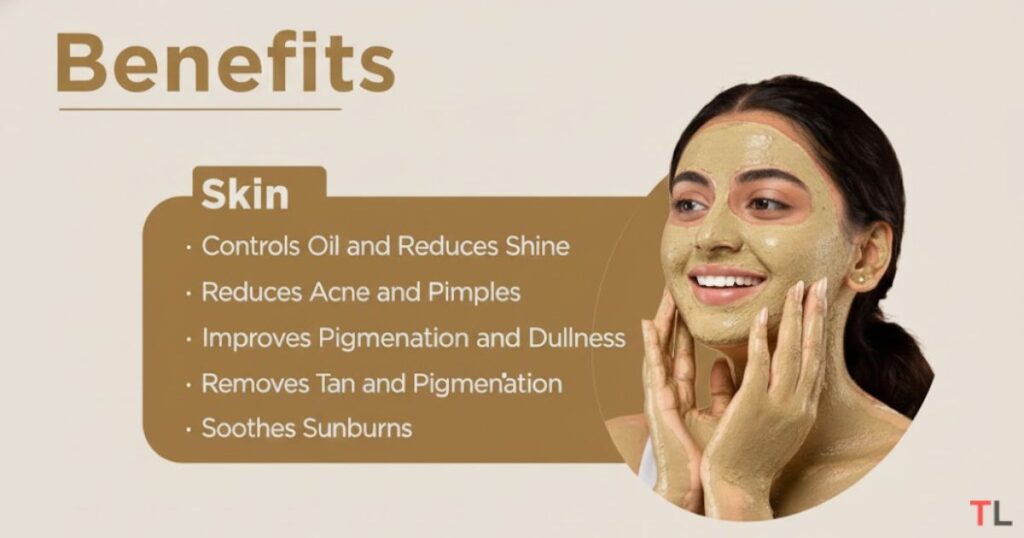
Its unique composition allows it to draw out impurities, excess oil, and toxins from the skin, contributing to its widespread use in traditional remedies and modern cosmetic formulations. The efficacy of Multani mitti stems from its layered structure, which enables it to bind with various substances on the skin’s surface, acting as a natural detoxifier and cleanser. Beyond its cleansing properties, Multani mitti also helps diminish pore sizes, reduce blackheads and whiteheads, and soothe sunburns, contributing to an improved complexion and a glowing effect. Additionally, it can improve blood circulation, reduce acne and blemishes, and is beneficial for aggravated and irritated skin due to its rich magnesium chloride content.
best time to apply Multani mitti on face Morning Vs Night
Morning masks can feel fresh, like pressing “reset” before the day begins. The downside is time. If you rush the rinse, or skip moisturizer and SPF, your skin may feel dry by noon. Morning use works best if your skin stays comfortable, you can moisturize right away, and you’ll apply sunscreen after.
For most people, early evening or night is the sweet spot. You can wash it off without hurry, apply moisturizer, and let your skin rest. It also helps you avoid heat and sun right after, when freshly cleansed skin can feel more reactive.
Using it at night: the easiest way to avoid dryness and irritation
Cleanse first, then apply a thin, even layer. Rinse while it’s still slightly damp (before it fully cracks). Pat dry, then moisturize right away. Keep the rest of your routine simple and let sleep do some of the repair work.
Using it in the morning: when it makes sense (and when it doesn’t)
Good times: hot, humid days; an oily T-zone; before makeup for a smoother look. Skip it: very cold weather; rushed mornings; right after shaving; when sunscreen stings on contact.
How often to use Multani mitti, how long to leave it on, and what to avoid
A good starting point:
- Oily skin: 1 to 2 times a week
- Normal skin: 1 time a week or every other week
- Dry or sensitive skin: 1 to 2 times a month
Leave it on about 8 to 12 minutes. Rinse while it’s still a bit damp, not chalk-dry. Avoid using it on the same day as retinol, strong acids (AHA or BHA), benzoyl peroxide, or right after waxing or threading. Patch test, and stop if you feel burning.
The Best Natural Ingredients to Mix with Multani Mitti
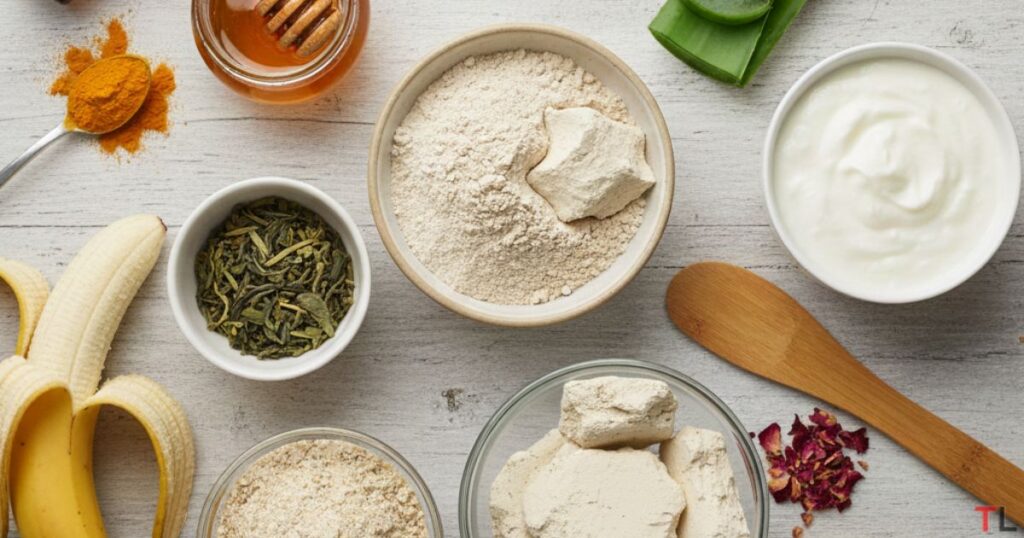
- For oil control and breakouts: aloe vera, neem, turmeric, and tea
Aloe vera gel adds slip and a soothed feel. Neem powder gives a deep-clean vibe, but it has a strong smell. A tiny pinch of turmeric can boost a brighter look, but it may stain. Cooled green tea feels fresh and can help reduce the look of excess oil.
Sample mix: 1 tbsp Multani Mitti + 1 tbsp aloe gel + 1 to 2 tbsp cooled green tea + a pinch of turmeric.
- For glow and gentle polish: honey, yogurt, and oatmeal
Honey leaves skin soft and dewy (raw is fine). Plain yogurt can make the mask feel smoother, but it may tingle on sensitive skin. Finely ground oats add a calm, cushioned texture that’s great when your face feels “too exposed.”
Sample mix: 1 tbsp Multani Mitti + 1 tsp honey + 1 tsp yogurt + 1 tsp ground oats. Apply with light hands, no harsh scrubbing.
- For dry or tired skin: glycerin, cucumber, banana, and a few drops of oil
Vegetable glycerin adds comfort (use 1 to 2 drops). Cucumber juice cools and refreshes. Mashed ripe banana turns clay into a creamy mask. If you need extra slip, add 2 drops of jojoba or sweet almond oil (skip oils if you’re very acne-prone).
Quick recipe: 1 tbsp Multani Mitti + 1 tbsp cucumber juice + 1 tbsp mashed banana + 1 to 2 drops glycerin.
Buy mixers for the Perfect Mask
- For Oily & Acne-Prone Skin: Forest Essentials Facial Tonic Mist with Pure Rose Water
- For Intense Hydration: Saffola Honey
- For Soothing Inflammation: Indus Valley Bio Organic Pure Natural Non-Toxic Aloe Vera Gel
- For Blemish Control: CARMEL ORGANICS Neem Leaves Powder
- For Mature or Very Dry Skin:Forest Essentials Organic Pure Cold Pressed Almond Oil
Conclusion
Without a doubt, Multani Mitti is a “miracle clay” for topical use, providing unmatched advantages for thorough cleaning, oil management, and skin whitening. But the shift from ancient ritual to contemporary safety highlights an important distinction: it is a potent cosmetic tool, not a food supplement. When ingested, it can result in severe blockages, vitamin deficiencies, and heavy metal toxicity, yet its ability to absorb impurities makes it a hero for oily and acne-prone skin. To get the most of this natural wonder without jeopardizing your skin or health, keep in mind these three golden rules:
- External Only: Do not eat the clay, especially if you are expecting a child.
- Do not let it crack: Wash it off while it’s still wet to prevent dehydration
- Customize Your Mix: Add hydrating ingredients like honey or aloe vera if you have dry or sensitive skin.
Multani Mitti remains one of the best natural ways to achieve a healthy, radiant complexion when applied carefully and according to your skin type.