
5 Surprising Health Benefits of Eating Black Mustard seed(Brassica nigra)
lakshay verma 1 month ago 2If your only experience with mustard is the mild yellow condiment squeezed onto a hot dog, you have yet to meet its wilder, more volatile ancestor: the Black Mustard Seed.
What Are Black Mustard Seeds
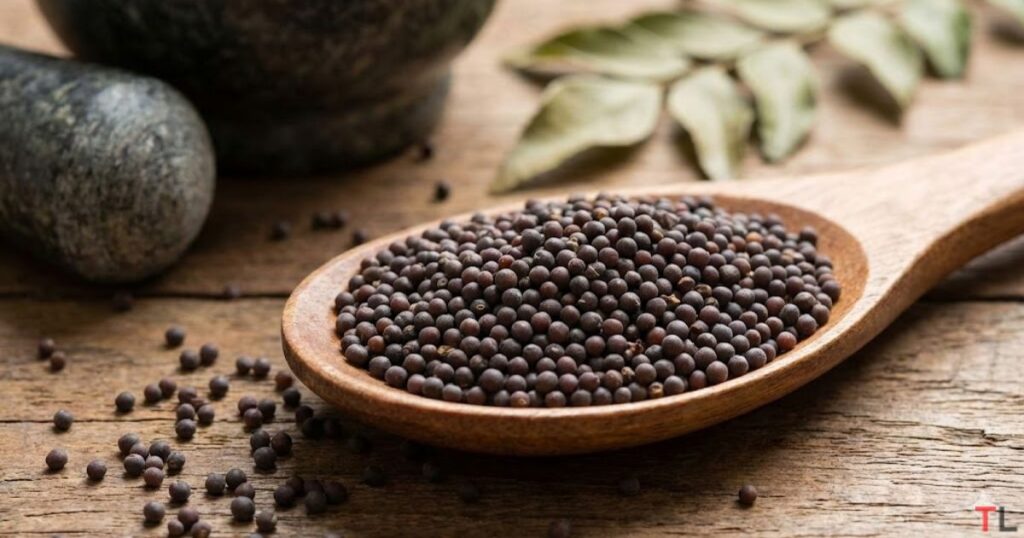
Black mustard seeds (Brassica nigra) are the smallest, most aromatic, and most potent variety of mustard seeds. They are very tiny (approximately 1 mm), dark brown or black circular seeds gathered from the perennial black mustard plant, which is native to North Africa and portions of Europe and Asia. Unlike the yellow mustard seeds used in American hot dogs, black mustard seeds are not merely “sour”; they are scorching.
To understand the true benefits of this ingredient—both culinary and medicinal—we must first understand exactly what sets it apart from the rest of the pack. While the yellow seed (Sinapis alba) is the “gentle giant” used for emulsification and mild sauces, the black mustard seed is the “firecracker.” It is smaller, harder to harvest, and packed with a significantly higher concentration of sinigrin—the compound responsible for that clearing-your-sinuses heat.
In this article, we will uncover the unique profile of black mustard seeds, exploring why this ancient spice is currently seeing a resurgence in global health trends and why it deserves a permanent spot in your pantry.
Black vs Brown vs Yellow Mustard Seeds
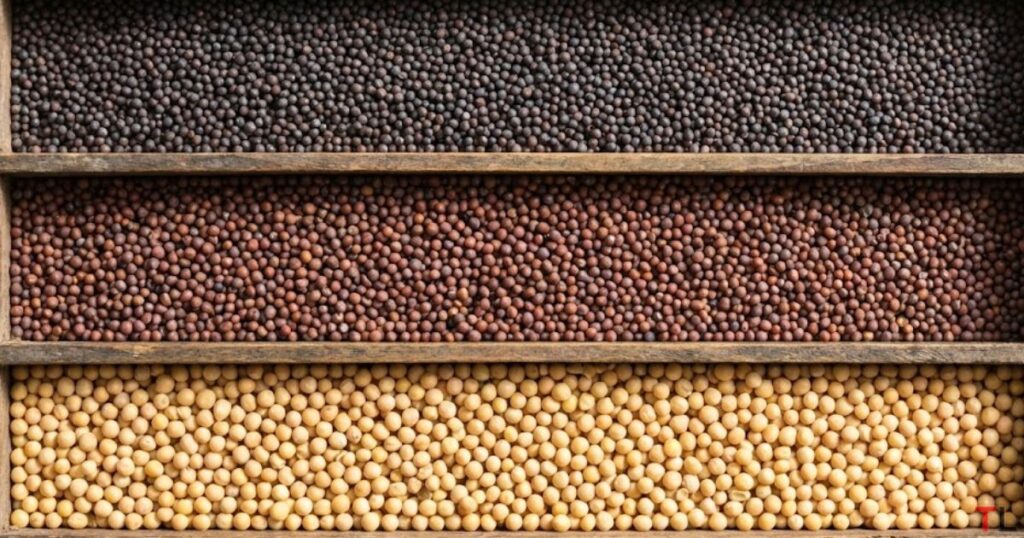
For those who are unfamiliar with the types, mustard seeds are only “spices.” However, these three types are separate species with rather diverse purposes, both chemically and botanically. The secret to mastering their use in the kitchen and for health is to comprehend these distinctions.
Black Mustard (Brassica nigra)
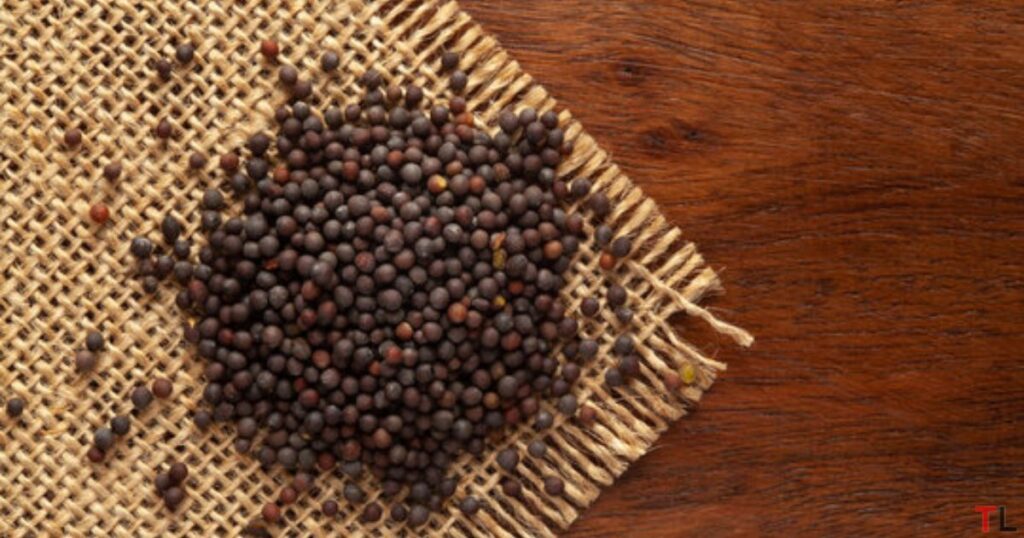
This is the real heavyweight champion of heat. The seeds are tiny—almost half the size of yellow seeds—and are dark brown or black with a little irregular form.
The Flavor: It includes the greatest quantity of Sinigrin, a glucosinolate that degrades into allyl isothiocyanate. This is the same ingredient found in wasabi and horseradish, giving black mustard a powerful, pungent sting that strikes the nostrils quickly.
The Harvest Issue: True Brassica nigra is difficult to grow since the pods rupture (shatter) when ripe, making machine harvesting practically impossible. This labor-intensive procedure is why pure black mustard is scarce and generally available exclusively in specialist Indian stores.
Best For: Bengali fish curries and traditional South Asian “Tadka” (tempering in hot oil). and medicinal poultices where intense heat is required to stimulate blood flow.
Health Benefit: Potent Medicinal Therapy. Black mustard is thought to be the most therapeutic of the three due to its high Sinigrin concentration. It is a potent expectorant (breaks down mucus) and a rubefacient (draws blood to the surface to reduce muscular discomfort). In Ayurveda, it is the go-to type for treating migraines, joint discomfort (rheumatism), and severe lung congestion.
Brown Mustard (Brassica juncea):
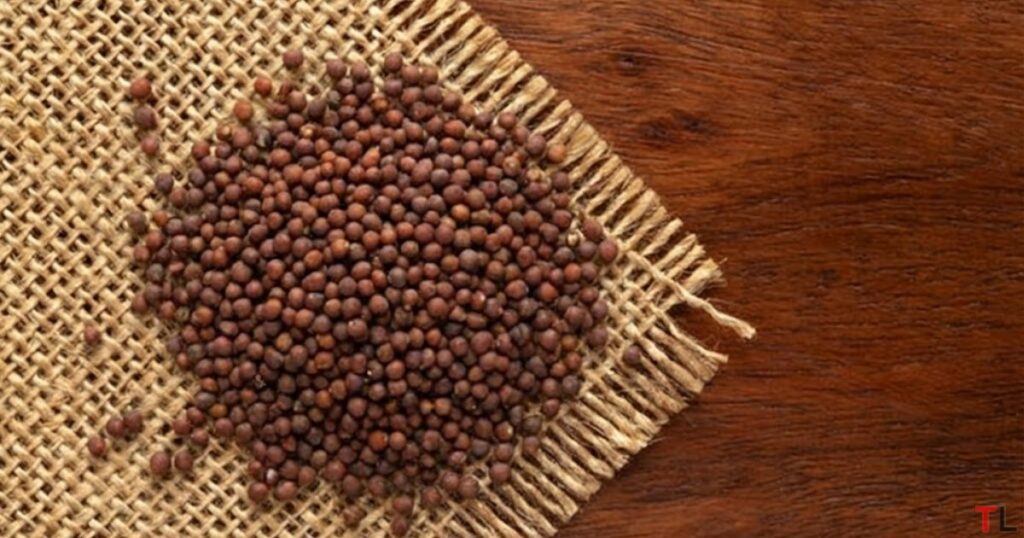
The Hybrid Choice: Sitting squarely in the middle of the spectrum is Brown Mustard. These seeds are smaller than yellow ones and range in color from light reddish-brown to dark chocolate.
The Flavor: Brown mustard is significantly hotter than yellow but more earthy and bitter than black. It strikes a balance between heat and complexity.
The Context: This is the workhorse of the global mustard industry. Because the plants are easier to harvest by machine (the pods don’t break readily), brown mustard has become the standard for “spicy” mustards worldwide, including conventional Dijon and Chinese hot mustards.
Best For: European deli-style mustards, Indian curries (commonly used as a substitute for black mustard), and spice rubs for meat.
Health Benefit: Cellular Protection Brown mustard is a powerhouse of phytonutrients, including antioxidants like kaempferol and carotenoids. These chemicals help battle oxidative stress in the body. Regular intake is associated to enhanced heart health and lower inflammation, providing as a nutritional barrier against chronic illnesses.
Yellow Mustard (Sinapis alba):
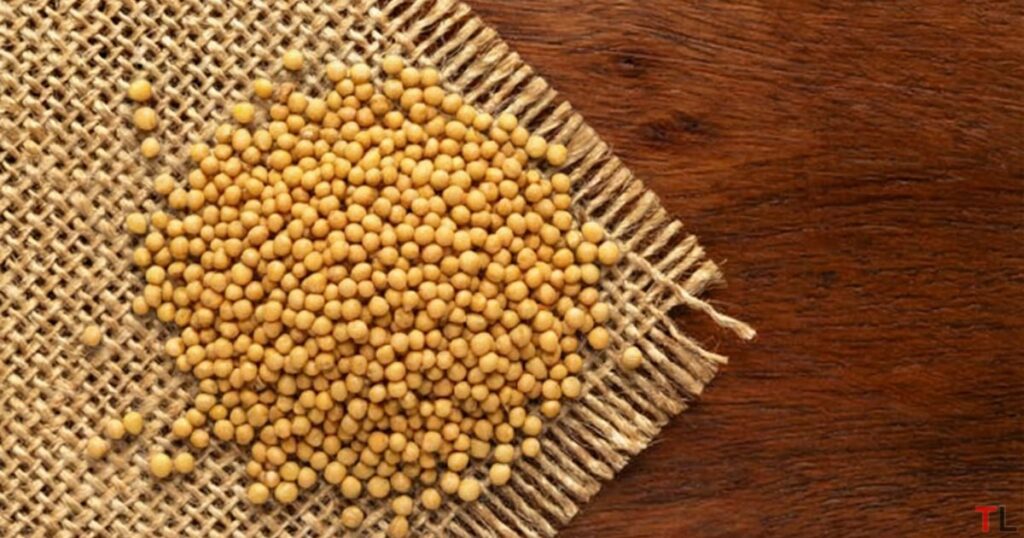
The Mild Emulsifier: The majority of Western households are familiar with this seed. The “gentle giant” of the mustard family, Sinapis alba is large, uniform, and pale straw in color.
The Flavor: It is the mildest of the three. It gives a steady, tangy taste without the strong “nose-burn” characteristic with Asian mustards.
The Chemistry: Unlike its darker siblings, yellow mustard includes a chemical called Sinalbin. Although it lacks the volatile punch that clears your sinuses, this molecule produces a heat that is steady and long-lasting.
Best For: Making traditional American yellow mustard, pickling spice combinations, and canning. Because of its high mucilage content (a sticky material), it is a great emulsifier for mayonnaise and dressings.
Health Benefit: Digestive Soothing Unlike the hotter versions, yellow mustard seeds are rich in mucilage—a thick, gummy substance that swells when mixed with water. This makes them excellent for soothing an upset stomach and aiding digestion without irritating the lining of the gut. They are often used as a mild laxative or to relieve heartburn.
Health Benefits of eating Black Mustard Seeds Daily
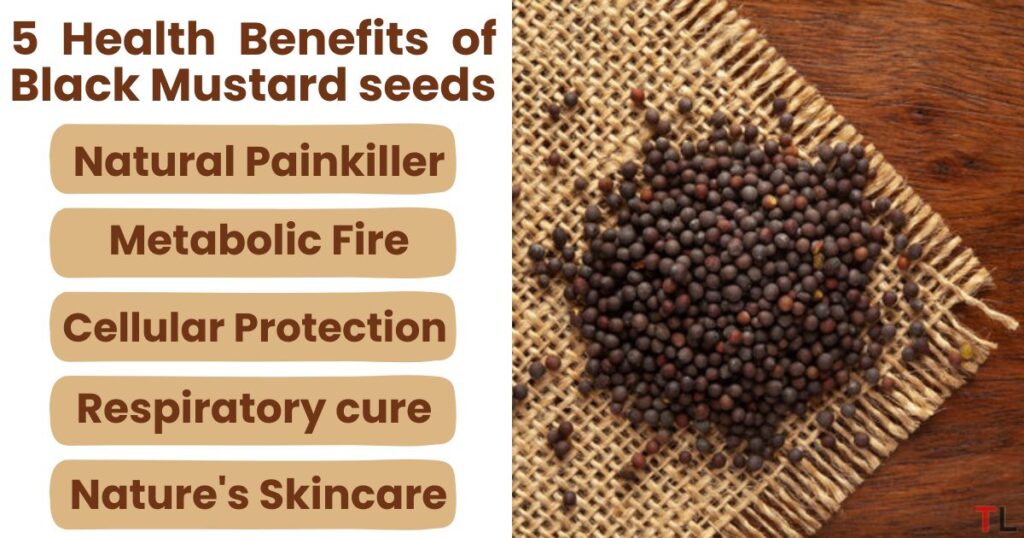
1. The "Natural Painkiller":
Relief for Migraines and Arthritis Most people grab for a prescription when a headache begins, but black mustard seeds provide a strong nutritional option. The answer lies in their very high Magnesium and Selenium content.
The Science: Magnesium is sometimes referred to as “nature’s relaxant.” It relieves strained blood vessels in the brain and calms the nervous system, which is frequently the primary cause of migraines.
The Impact: Regular use of black mustard helps maintain baseline magnesium levels, potentially lowering the frequency of migraine attacks and the severity of rheumatoid arthritis discomfort
2. Metabolic Fire:
Black mustard is one of the few spices that qualifies as a thermogenic food and leads to weight loss.
The Science: Allyl isothiocyanate is what gives black mustard its strong pungency. This substance causes a small increase in body temperature when consumed. Your body has to use energy to cool down again.
The Impact: A research by the Oxford Polytechnic Institute revealed that having only one teaspoon of strong mustard can improve your metabolic rate by up to 25% for several hours after a meal. It effectively transforms your digestive system into an engine that burns calories.
3. Cellular Protection:
It has the Cancer-Fighting Power of Glucosinolates, Black mustard seeds are strong suppliers of glucosinolates, although broccoli and kale receive all the credit.
The Science: When these seeds are crushed or eaten, glucosinolates break down into isothiocyanates. According to research, these substances can prevent the development of new cancer cells and stop the growth of already-existing ones, especially in the colon and gastrointestinal system.
The Impact: Including black mustard in your regular diet helps your body eliminate carcinogens before they cause harm, acting as a protective barrier.
4. Respiratory cure:
Black mustard seeds clears the Congestion in the lungs naturally. According to Ayurveda, black mustard is not simply a meal; it is a key remedy for the respiratory system.
The Science: Black mustard has strong mucus-thinning and mucus-expelling properties. The volatile oils stimulate the lining of the lungs and throat, making it easier to cough out stored phlegm.
The Impact: For patients suffering from chronic sinusitis, asthma, or bronchitis, a daily dosage of black mustard (particularly in warm water or tea) will help keep airways open and lessen dependency on decongestant sprays.
5. Nature's Skincare:
Fighting Infections from Within We often rely on expensive serums and creams to fix our skin, but a true glow actually starts in the gut.
The Science: Black mustard seeds are packed with Sulfur, often called the “beauty mineral” because it is the essential building block for collagen. But the benefits go deeper than just elasticity.
The Impact: These seeds act as a natural antibiotic, fighting off the internal bacterial and fungal imbalances that often flare up as acne or dullness on your face. By reducing inflammation internally, you are effectively stopping skin issues like psoriasis before they even reach the surface.
Conclusion
Black mustard seeds (Brassica nigra) are considerably more than a basic kitchen staple; they are a potent functional food that crosses the gap between culinary creativity and medical therapy. While yellow and brown mustard seeds have their place as moderate emulsifiers or regular spices, the “firecracker” character of the black mustard seed stands in a league of its own. Its high content of Sinigrin and necessary nutrients allows it to work as a natural metabolic stimulant, a respiratory aid, and a potent defense against chronic inflammation and discomfort.
Although picking these tiny grains is labor-intensive, the return for your health is apparent. You may unleash a centuries-old cure that has been verified by contemporary research by using black mustard seeds as a daily supplement for cellular defense and pain management, in addition to using them as a taste enhancer for curries. Whether you are seeking relief from migraines, striving to enhance skin health, or just wishing to stimulate your metabolism, this ancient spice deserves a permanent and prominent home in your kitchen pantry.
Also Read: Is Betel nut Chewing consider healthy



2 thoughts on “5 Surprising Health Benefits of Eating Black Mustard seed(Brassica nigra)”