How Hard “Khara” Water Damages Kitchen Appliances (And How to Stop It)
lakshay verma 3 weeks ago 0Hard water, also known as khara pani, damages pricey kitchen gadgets from the inside out. Rich in calcium and magnesium, high Borewell TDS levels produce rock-hard limescale that corrodes geyser heating elements, chokes dishwasher spray arms, and prematurely kills RO membranes.
Overview
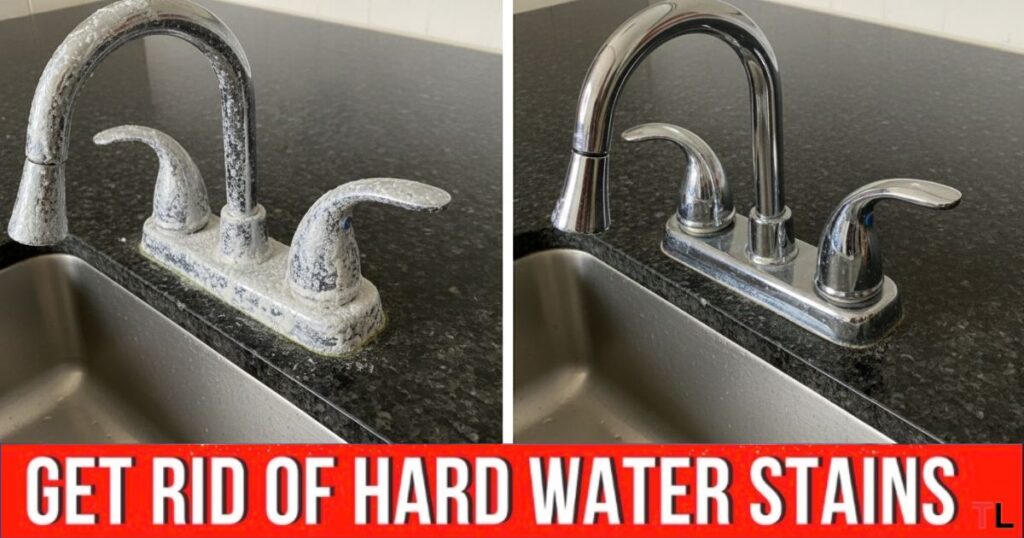
Hard water damage kitchen appliances in ways most homeowners never notice—until it’s too late. You’ve seen it before: that stubborn white ghost haunting the edge of your kitchen tap. The chalky residue that no amount of scrubbing seems to remove. It looks harmless, almost like dried soap or dust. But this innocent-looking white crust is actually your first warning sign that hard water is silently destroying your kitchen appliances from the inside out.
Most people ignore these white marks, thinking they’re just a cleaning issue. The truth is far more expensive. That same mineral buildup coating your faucet is also choking your dishwasher’s heating element, clogging your coffee maker’s tubes, and cutting your appliance lifespan in half. The average Indian household loses thousands of rupees every year replacing appliances that hard water has damaged. But here’s the good news: once you understand how hard water attacks your kitchen, stopping it becomes surprisingly simple.
The ₹75,000 Mistake Most Homeowners Make
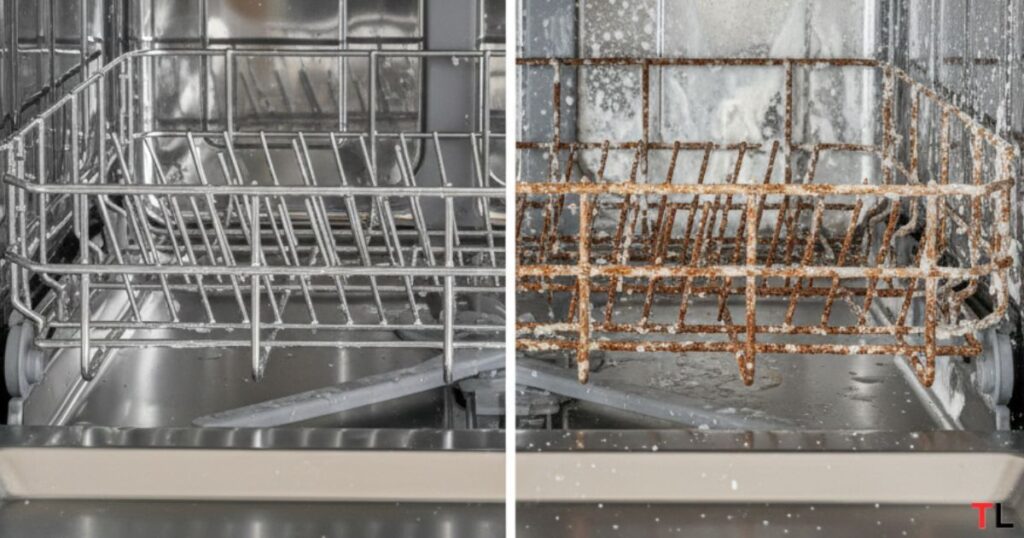
Think about this: you just spent ₹50,000 on a brand-new dishwasher or ₹25,000 on an RO water purifier. You read reviews, compared features, and chose the best model. But within months, “khara” water is eating them from the inside out. The minerals in hard water—calcium and magnesium—form a rock-hard scale that builds up layer by layer, damaging expensive parts you can’t even see.
Here’s what makes this truly shocking: just 1mm of scale buildup can increase your electricity bills by 15% and reduce your appliance’s lifespan by 50%. That ₹50,000 dishwasher? It might last only 4-5 years instead of 10. Your ₹25,000 RO system? The membrane could fail in 2 years instead of 4. And every month, you’re paying higher electricity bills because scaled-up heating elements work twice as hard to do the same job.
Top 3 Quick-Fix Essentials to Protect Your Appliances Today
Before we dive into the 7 shocking ways hard water destroys your kitchen, here are three affordable tools every household needs to fight back:
| Product | What It Does | Price Range | Best For |
|---|---|---|---|
| TDS Meter | Measures water hardness levels (Total Dissolved Solids) so you know exactly what you’re dealing with | ₹300-₹800 | Testing your tap water and checking if your filter is working |
| Descaling Powder | Removes existing mineral buildup from appliances like kettles, coffee makers, and washing machines | ₹200-₹500 | Monthly maintenance and deep cleaning |
| Tap Pre-Filter | Catches sediment and reduces hardness minerals before they enter your appliances | ₹800-₹2,500 | First line of defense for kitchen taps and appliance inlets |
Pro Tip: Start with a TDS meter to test your water. If it reads above 200 PPM, your water is hard enough to damage appliances.
The Science of “Khara” Water
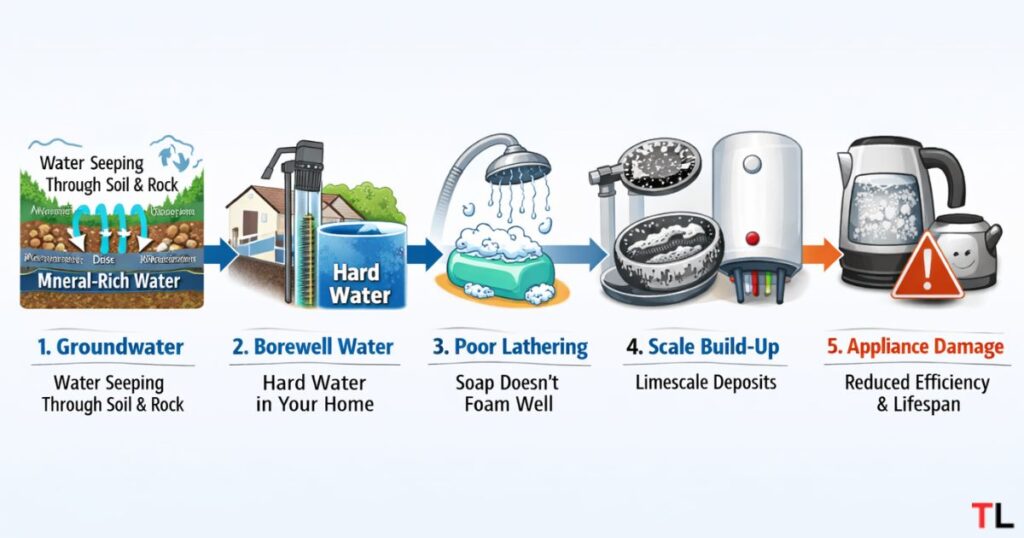
In everyday terms, khara water refers to water that feels “heavy” and leaves scale on taps, utensils, and bathroom tiles. Scientifically, this heaviness is measured using TDS (Total Dissolved Solids). TDS is simply the total amount of minerals, salts, and metals dissolved in water. The higher the TDS, the more minerals the water carries—and the more “khara” it feels while washing, bathing, or drinking.
In India, especially in homes that rely on borewell water, TDS levels are often high. The reason is geological, not technical. As groundwater travels deep through layers of rock and soil, it dissolves minerals along the way. Indian subsoil is rich in calcium and magnesium-bearing rocks, so water stored underground for years absorbs large amounts of these minerals. By the time it reaches your borewell, it’s already mineral-loaded.
Calcium and magnesium are the primary contributors to water hardness. While they’re not harmful in small amounts, excessive levels cause soap to lather poorly, leave white residue on hair and skin, clog pipelines, and reduce the lifespan of appliances like geysers and washing machines. This is why khara water isn’t just a taste or feel issue—it’s a chemical reality driven by TDS and India’s underground geology.
7 Shocking Ways Hard Water Damages Your Kitchen
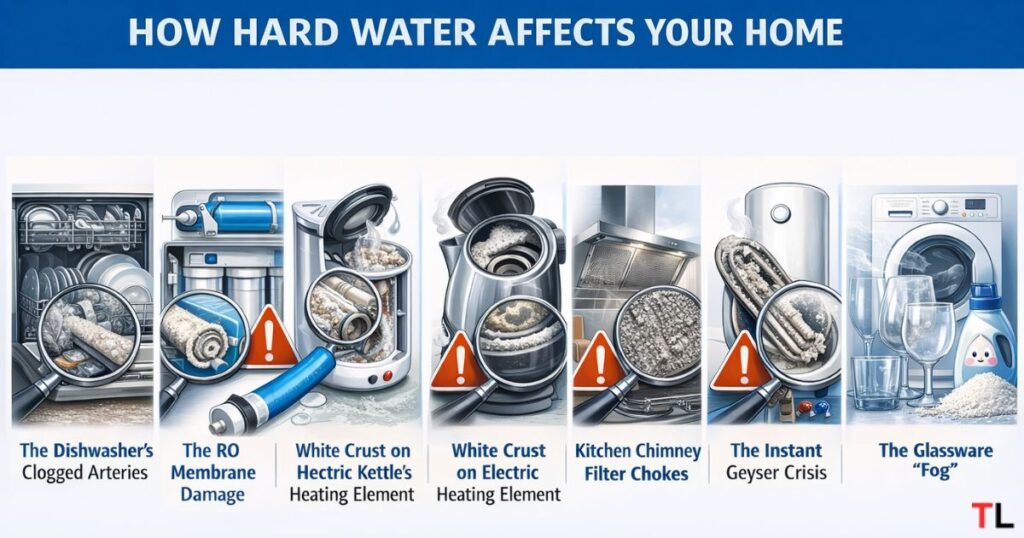
The Dishwasher’s Clogged Arteries:
If your dishwasher isn’t cleaning properly, don’t blame the machine – blame limescale buildup. High Borewell TDS means water rich in calcium deposits flows through the spray arms every day. Over time, these minerals harden inside the tiny holes, reducing water pressure and coverage. The result? Half-washed plates and greasy corners. Homes using borewell water vs tanker water see this issue faster, especially where Municipal water isn’t available. Regular use of a descaling liquid for dishwasher helps, but it’s damage control, not a cure. Without a water softener for home, the machine keeps choking internally, increasing repair frequency and pushing up your AMC for kitchen appliances.
The RO Membrane Damage:
RO membranes aren’t cheap—and khara pani destroys them quietly. When TDS levels are high, especially with excess calcium and magnesium, these minerals crystallize on the membrane surface. This process, called scaling, reduces filtration efficiency and forces the RO to work harder. Over time, the membrane stiffens, cracks, and fails prematurely. Many Indian homes using borewell water replace membranes twice as often as those on municipal water. The irony? People blame the RO brand, not the water quality. A pre-treatment solution like a water softener for home dramatically extends membrane life and lowers long-term costs, reducing unnecessary service calls and RO-related AMC expenses.
The White crust on the electric Kettle’s Heating Element:
That white crust inside your electric kettle isn’t harmless—it’s solid calcium deposits caused by high TDS levels. When khara pani is heated, minerals separate from water and stick to the heating element. This limescale layer acts like insulation, forcing the element to consume more power to boil the same water. Over time, overheating leads to burnout. In areas dependent on borewell water, kettles fail months earlier than expected. Frequent descaling helps but doesn’t reverse internal damage. This is why appliance technicians quietly recommend soft water solutions. Ignoring water quality just guarantees higher electricity bills and more frequent replacements—a classic false economy.
Kitchen Chimney Filter Chokes:
Kitchen chimneys suffer badly in hard water zones, especially where cooking involves steam. When water with high Borewell TDS evaporates, minerals remain behind, slowly clogging chimney filters. Over time, limescale buildup mixes with grease, forming a stubborn layer that’s hard to clean. Suction drops, noise increases, and oil starts dripping back onto the stove. Homes using municipal water experience this less, while borewell water vs tanker water users see faster damage. Regular cleaning helps, but long-term protection requires addressing water hardness at the source. Otherwise, chimney servicing becomes a recurring cost under your AMC for kitchen appliances.
The Instant Geyser Crisis:
If your instant geyser suddenly isn’t “instant,” hard water is the reason. High TDS levels cause calcium deposits to coat the heating coil, reducing heat transfer efficiency. This means more time, more electricity, and inconsistent water temperature. In regions dependent on khara pani, geysers lose efficiency shockingly fast. Users often mistake this for electrical issues, but it’s pure chemistry. Borewell TDS accelerates scaling far more than municipal water. Descaling can offer temporary relief, but repeated treatments weaken internal components. A water softener for home prevents scale formation entirely, saving energy and reducing geyser-related complaints and service costs.
The Glassware “Fog”:
That permanent cloudy film on your Borosil glasses isn’t dirt—it’s mineral damage. When hard water dries on glassware, calcium deposits etch microscopic marks into the surface. Over time, this creates irreversible fogging. Dishwashers using borewell water worsen the issue because high TDS levels leave mineral residue even after drying. No amount of rinsing or descaling liquid for dishwasher will restore clarity once etching occurs. Homes on municipal water face this less often, which is why glassware lasts longer there. If you care about aesthetics and longevity, softening water isn’t optional—it’s preventive maintenance.
Detergent Wastage:
Hard water makes soap inefficient—plain and simple. Minerals in khara pani react with detergent, neutralizing its cleaning power before it even touches the dirt. That’s why you keep adding more soap but still don’t get better results. High Borewell TDS is notorious for this problem, especially in washing machines and dishwashers. The excess detergent leaves residue, damages fabrics, and shortens appliance life. Over time, detergent overuse increases costs and contributes to internal scaling. A water softener for home fixes this at the root, improving cleaning efficiency while lowering detergent consumption and reducing strain on appliances covered under your AMC.
3 Effective Ways to Treat Hard Water in Home
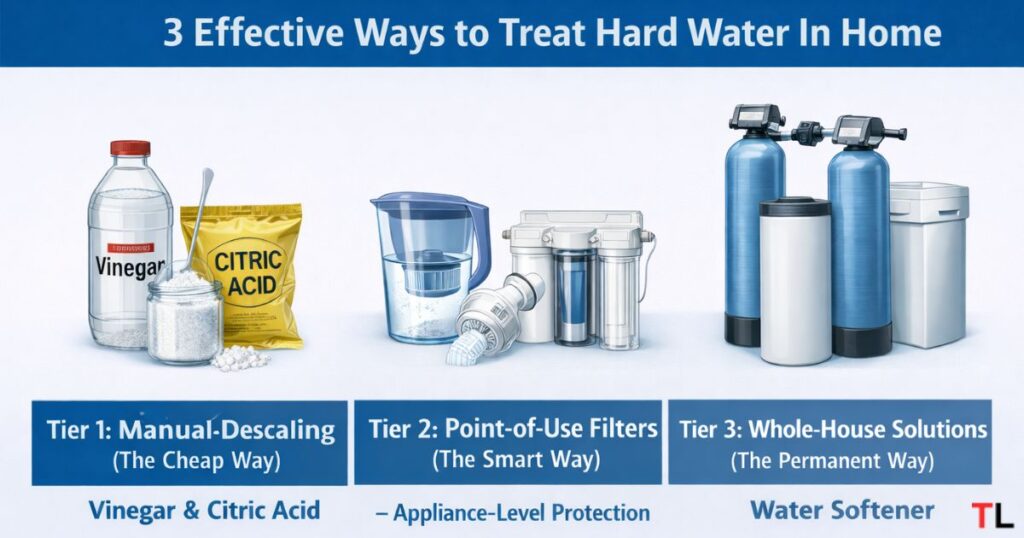
Tier 1: Manual Descaling (The Cheap Way) – Vinegar & Citric Acid
Manual descaling is the most common first response to limescale buildup caused by high TDS levels in Indian households. White vinegar and citric acid work by breaking down calcium deposits, making them useful for kettles, geysers, taps, and even dishwashers. This method is popular in homes using borewell water, where scaling appears quickly. However, this is a reactive solution, not preventive. You’re cleaning after damage has already started. Frequent descaling can also corrode internal parts, seals, and heating elements over time. While cheap and easily available, manual descaling becomes repetitive and exhausting, especially when dealing with khara pani daily. It’s a temporary fix that treats symptoms, not the root cause.
Tier 2: Point-of-Use Filters (The Smart Way) – Appliance-Level Protection
Point-of-use filters are a smarter step up, especially for homes using a mix of municipal water and borewell water. These filters are installed directly at specific appliances like washing machines, dishwashers, or geysers. They reduce sediment, some mineral content, and protect appliances from early limescale buildup. While they don’t fully soften water or drastically lower Borewell TDS, they slow down damage and reduce the frequency of descaling. For renters or smaller households, this is a practical middle ground. Maintenance is crucial—filters need regular replacement, or performance drops silently. Think of this tier as damage reduction, not elimination. It improves appliance life but doesn’t solve whole-house khara pani issues.
Tier 3: Whole-House Solutions (The Permanent Way) – Water Softener
A whole-house water softener for home is the only long-term solution designed specifically for hard water problems. Unlike filters or descaling, softeners remove calcium and magnesium at the source, effectively lowering hardness before water reaches any appliance. This is especially critical in areas with high Borewell TDS, where borewell water vs tanker water quality varies drastically. With softened water, limescale stops forming altogether—protecting geysers, RO systems, dishwashers, glassware, and plumbing. Detergent usage drops, appliances perform efficiently, and maintenance costs fall sharply. For Indian homes tired of repeated repairs and rising AMC for kitchen appliances, this is a one-time investment that prevents years of damage. No shortcuts—this is the permanent fix.
Kitchen Maintenance Checklist
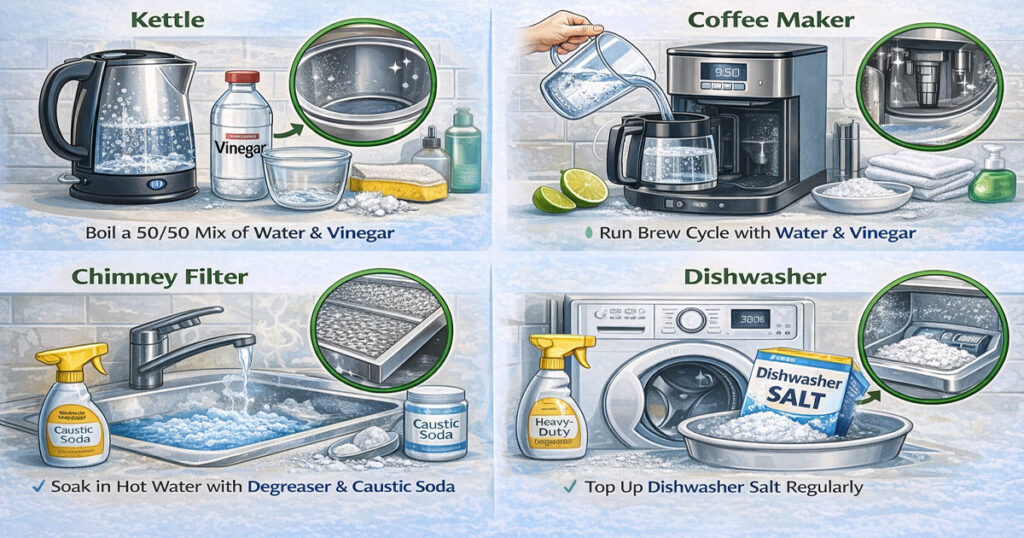
If you’ve been noticing that chalky white residue or a sudden dip in your appliance lifespan, follow this “Khara Water Recovery” schedule.
The Monthly “Deep Detox” (High-Priority)
- The Kettle & Coffee Maker: Fill your kettle with a 50/50 mix of water and [white vinegar]. Boil it once, let it sit for 20 minutes, and watch that limescale buildup melt away. Your tea will actually taste like tea again, not minerals!
- RO Purifier Health Check: Use your [Digital TDS Meter] to check the output. If your input is 1000 TDS and the output is creeping above 100, your RO membrane is likely struggling with mineral accumulation. Don’t wait for the water to taste “heavy”—clean the pre-filter now.
- The Dishwasher “Salt” Ritual: In India, we often forget the dishwasher salt. Check the indicator. This salt regenerates the internal ion-exchange unit that softens your water. Without it, you’ll get that dreaded cloudy glassware and clogged spray arms.
The Quarterly “Hard-Core” Clean (Every 3 Months)
- Chimney Filter Degreasing: Steam from cooking with khara pani creates a “salt-grease” cement on your filters. Soak your baffle filters in hot water with caustic soda or a heavy-duty [Kitchen Degreaser]. It’ll keep your suction strong and prevent the motor from overheating.
- Washing Machine Scale-Guard: Even if it’s in the utility area, it’s part of your kitchen ecosystem. Run an empty “Drum Clean” cycle with a [Descaling Powder]. This prevents corrosion of the heating element and keeps your clothes from feeling “stiff.”
Appliance Survival Summary
| Appliance | The “Khara” Symptom | Maintenance Action | Recommended Tool |
|---|---|---|---|
| Electric Kettle | White flakes in water | Monthly Descaling | Citric Acid |
| Dishwasher | White spots on plates | Refill Softening Salt | Finish Salt |
| RO System | Slow water flow | Check TDS / Change Pre-filter | TDS Meter |
| Chimney | Sticky, noisy motor | Caustic Soda Soak | Heavy Duty Degreaser |
| Kitchen Taps | Reduced water pressure | Vinegar soak for Aerators | Tap Pre-Filter |
The “First of the Month” Rule
I personally keep a small “Maintenance Diary” on my fridge. Every time I pay the milkman or the maid on the 1st of the month, I spend 30 minutes running the descaling cycles. It feels like a chore, but when you realize you’re protecting nearly ₹1 Lakh worth of modern kitchen technology, those 30 minutes are the best investment you’ll make.
Conslusion: Stop Paying the “Khara Water Tax”
Ignoring hard water is like driving your car with the wrong engine oil—it might run for a while, but a catastrophic breakdown is inevitable. In the Indian context, khara water is a silent tax on your household. It steals your money through inflated electricity bills, wasted detergent, and premature appliance deaths.
Whether you are dealing with high borewell TDS or inconsistent tanker supply, the choice is simple: you can either spend a few hundred rupees on preventive maintenance today or spend thousands on spare parts and service calls tomorrow. Don’t wait for your dishwasher to choke or your geyser to burn out. Start your “Khara Water Recovery” plan now and give your expensive appliances the long, efficient life they deserve.
The “Khara Water” Toolkit
If you’re ready to protect your home, here are the exact products I recommend for Indian kitchens:
- To Test Your Water: [Konvio Neer TDS meter] – Essential to check if your RO is actually working.
- For Monthly Cleaning: [Citric Acid Cleaning Powder] – The best “detox” for kettles and dishwashers.
- For Machine Protection: [Eco crystal Original Fresh N Clean J Filter Cartridge Water Softener] – Stops scale before it enters your expensive front-load machine.
- For Sparkling Taps: [WaterScience CLEO Hard Water Softener] – No more white crusty spots on your chrome faucets.